
BRIDGETOWN, Barbados (Nov. 24, 2026) — Carnival Corporation (NYSE: CCL), the world’s largest cruise company, shared its approach to community engagement and onboard environmental operations with Caribbean tourism partners during two engagements in Barbados held in conjunction with the Caribbean Hotel and Tourism Association’s (CHTA) Caribbean Hospitality Industry Exchange Forum (CHIEF).
The engagements, which emphasized collaboration with the regional hospitality industry, included a firsthand look at operations aboard AIDAbella and a breakout session featuring Marie McKenzie, senior vice president of government and destination affairs at Carnival Corporation, on building community trust and strengthening resident support for tourism growth.
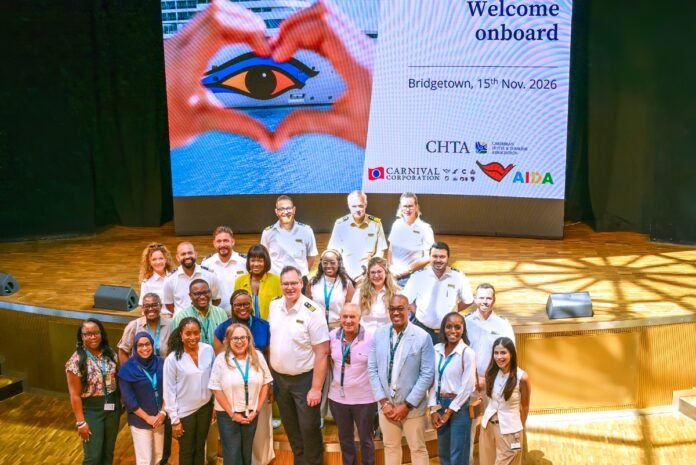
On Nov. 15, about 20 CHTA representatives visited AIDAbella during its call in Bridgetown to learn more about the ship’s environmental operations and onboard sustainability practices. The visit included a tour of public areas, waste management facilities and food and beverage operations, followed by a discussion on environmental responsibility, operational best practices and opportunities for greater collaboration between the cruise and hospitality sectors.
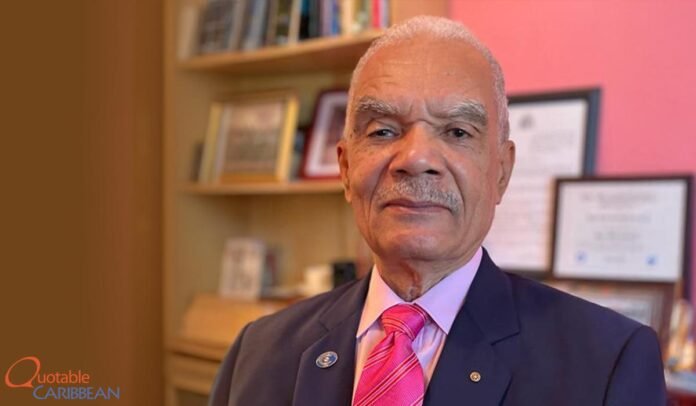
The visit brought together CHTA leadership and representatives from across the Caribbean tourism industry, including CHTA President Sanovnik Destang, executive director of Bay Gardens Resorts; CHTA CEO Vanessa Ledesma; Patricia Affonso-Dass, CEO and group general manager of Ocean Hotels Group in Barbados; and Ewald Biemans, owner and CEO of Bucuti & Tara Beach Resort in Aruba.
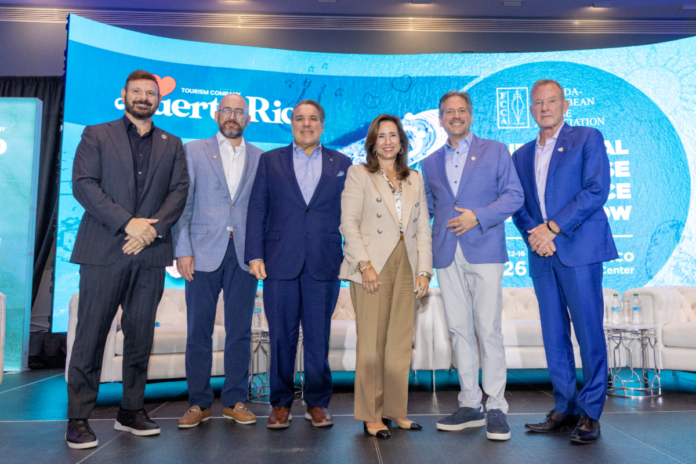
The dialogue continued on Nov. 17, when McKenzie participated in the CHIEF breakout session, “Building Community Trust: Strengthening Resident Support for Sustainable Tourism Growth.” The discussion explored how tourism businesses can build lasting relationships with residents, strengthen local partnerships and ensure that the benefits of tourism are meaningful and visible in the communities where they operate.
Drawing on Carnival Corporation’s experience across the Caribbean, McKenzie emphasized that sustainable tourism development requires listening to residents, incorporating local perspectives into decision-making and creating opportunities for communities to participate in and benefit from the industry.
She highlighted the work that preceded the development of Celebration Key, Carnival Cruise Line’s exclusive destination in Grand Bahama, including early stakeholder engagement, community consultations and the establishment of the Grand Bahama Advisory Council. The council brought together 12 local leaders to provide guidance on community needs, concerns and priorities, including the allocation of the destination’s Community Giving Budget.
Other initiatives included pre-opening town halls for local vendors and shore excursion operators, as well as Supplier Readiness Workshops designed to help Bahamian businesses prepare to participate in the destination’s economy. Today, 79% of Celebration Key’s outlets are Bahamian-operated, illustrating how tourism investment can create opportunities for local entrepreneurs and businesses.
The discussion also covered Carnival Corporation’s broader sustainability and community support initiatives, including its Less Left Over program, which helps reduce food waste by redirecting safe, prepared and unserved meals from its ships to community partners. Operating in 20 ports worldwide, the program has donated more than 320,000 meal portions.
McKenzie underscored the importance of maintaining a consistent presence in communities, keeping lines of communication open and following through on commitments.
“Building community trust is not something that happens overnight. It takes listening, collaboration and a genuine commitment to showing up consistently,” McKenzie said. “Our responsibility is to be a long-term partner, not a passing visitor. When we work alongside communities and create opportunities for local people and businesses to participate, tourism can deliver lasting value for destinations and the people who call them home.”
Carnival Corporation’s participation in CHIEF reflects its ongoing dialogue with the Caribbean tourism industry on environmental stewardship, local partnerships and economic opportunities in the destinations it visits.
For more information about Carnival Corporation’s sustainability initiatives, visit Our Impact.