
Complex case highlights Health City Cayman Islands’ expertise in advanced urology and minimally invasive robotic surgery
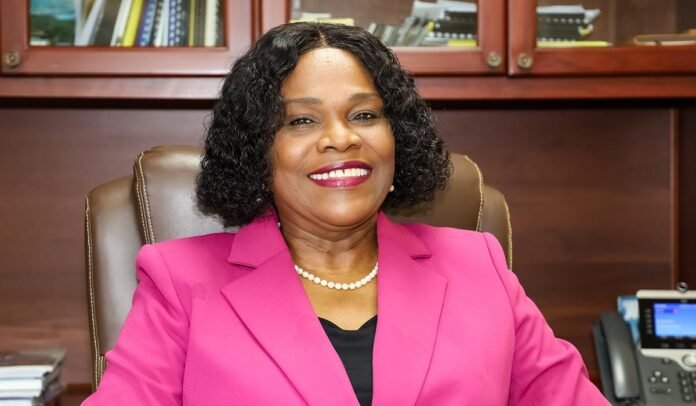
CAYMAN ISLANDS (Aug. 19, 2026) — After years of uncertainty, repeated tests and postponed surgeries, 59-year-old Bahamian Charlene Dorsette arrived at Health City Cayman Islands seeking clarity about a large mass on her right kidney and the treatment she required.
Dorsette, who is a teacher’s assistant, underwent successful minimally invasive robotic surgery, under the care of consultant urologist Dr. Amaresh Mohan at the tertiary care hospital, to remove her right kidney and the mass.
Dorsette’s medical journey began after she became ill at her workplace in The Bahamas. Investigations revealed blood in her urine and subsequently a mass on her right kidney. Over the next two years she had numerous tests, hospital admissions, medical consultations and repeated postponement of planned surgeries.
She was eventually referred to Health City Cayman Islands — through the Ministry of Health and with support from coordinator nurse Jean Sands — where Dr. Mohan conducted further testing. He carefully explained the findings by using medical imaging and illustrations to show Dorsette the location and extent of the mass.
Dorsette said the consultation gave her the first clear understanding of what was happening with her kidney and what treatment would be required.
A CT scan at Health City revealed a 9.5 centimeter mass arising from the upper and middle portion of the right kidney that was encroaching on the liver. Her case was further complicated by additional medical conditions. “To begin with, it was a complex case,” Dr. Mohan said.
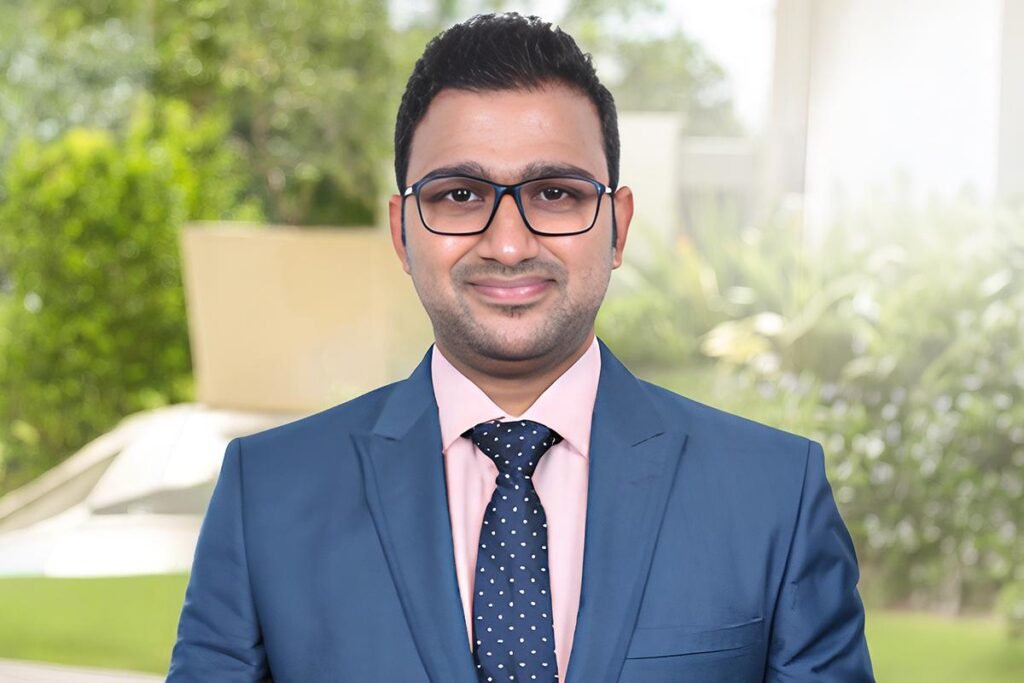
Dr. Amaresh Mohan
Following a detailed discussion with Dorsette and her son Tristan Smith about the findings, surgical approach and potential risks, Dr. Mohan proceeded with a minimally invasive robotic surgery which involved removal of her kidney. The family was also advised that traditional open surgery may be necessary if it was warranted.
The robotic procedure was completed successfully, allowing the surgical team to remove the affected kidney via a minimally invasive approach through a small incision.
The urology specialist explained the advantages of minimally invasive robotic surgery that include reduced postoperative pain and blood loss, smaller incisions, shorter hospital stays and faster recovery when compared with traditional open surgery.
In Dorsette’s case, blood loss was minimal and her postoperative recovery was uncomplicated. At a follow-up visit 10 days after surgery, her wound had healed well and her blood test results were satisfactory.
Her son said his mother and the family had endured a great deal of uncertainty surrounding his mother’s condition. He was elated that Dr. Mohan’s clear explanation of the findings and treatment plan gave both him and his mother confidence ahead of the surgery. He described her successful intervention as an opportunity for the family to move forward with greater hope and confidence.
Dorsette, who is also a grandmother and has a deep faith in God, was ecstatic that the experience was also defined by the care she received throughout her stay. Both she and her son noted the attentive support from physicians, nurses and support staff, who were noticeably attentive to her from arrival at the hospital until recovery. “You made me feel special. And for that, I say thank you,” Dorsette said.
Dorsette’s case highlights Health City Cayman Islands’ capabilities in evaluating and surgically managing complex kidney conditions, including renal masses, using advanced minimally invasive techniques.
Dorsette is receiving follow-up care in The Bahamas, where she has resumed life with her family following the successful procedure. Dr. Mohan credited Dorsette’s successful outcome to the combined efforts of the surgical, anesthesiology, nursing and operating theater teams and he looked forward to monitoring her continued recovery.